Bioethanol vs. Synthetic Lamp Oil: The Next-Gen Safety Upgrade for Indoor Flame Ambiance
Indoor liquid flames—from tabletop fire pots to refillable glass oil candles—have surged in popularity for modern home decor. However, changing home safety standards and rising concerns over flash-fires have shifted consumer focus toward fuel chemistry.
If you are currently using bioethanol, kerosene, or traditional paraffin, understanding the flash point, burn efficiency, and air quality impact of your fuel is essential.
At a Glance: Fuel Comparison Matrix
| Fuel Type | Flash Point | Primary Safety Risk | Indoor Air Quality | Burn Time Efficiency |
| Liquid Bioethanol | ~55°F (13°C) | Highly Flammable / Vapors ignition | High VOC emission | Fast consumption rate |
| Kerosene / Standard Lamp Oil | ~100°F (38°C) | Odor, soot, toxic petroleum | Strong hydrocarbon odor | Moderate |
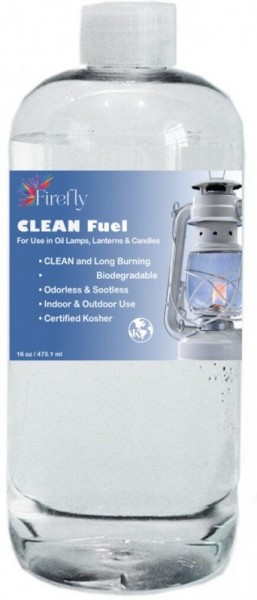
| Firefly CLEAN Lamp Oil | >145°F (63°C) | Combustible (Non-flammable liquid) | Odorless & Smokeless | 50%+ longer than paraffin |
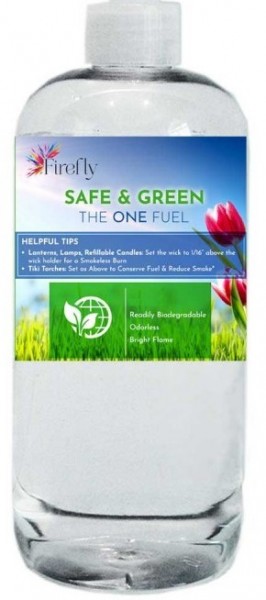
| Firefly Safe & Green | >200°F (93°C) | Readily Biodegradable / Non-toxic | Zero synthetic soot/toxins | High energy output per oz |
3 Critical Factors Driving the Switch to Non-Toxic Synthetic Fuel
1. Eliminating the Flash-Fire Hazard of Bioethanol
Bioethanol is classified as a flammable liquid. Its low flash point means it actively releases invisible, highly volatile vapors at room temperature. If poured into a warm vessel, these vapors can ignite instantly, causing dangerous flash fires.
By contrast, synthetic plant-based alternatives like
2. Eliminating Indoor Soot & VOC Accumulation
Traditional kerosene and low-grade paraffin fuels contain unrefined aromatics that yield black soot, coating ceilings and irritating respiratory systems.
A ultra-pure synthetic option like
3. Cost-Per-Hour Efficiency
While bioethanol burns rapidly due to its high volatility, synthetic lamp oils burn at a controlled rate. In-house burn testing demonstrates that
How to Convert Your Vessels to Clean Synthetic Fuel
-
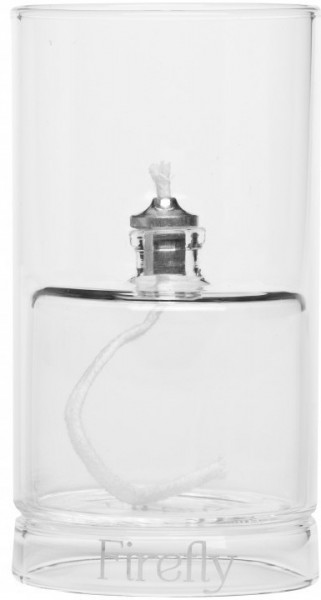
Verify Vessel Compatibility: Synthetic fuels require a textile or fiberglass wick to draw fuel upward. Ensure your lamp, candle, or torch uses a wick system. Do not use in open-basin ethanol burners designed without a wick structure.
-
Drain and Clean Residual Fuel: Mixing synthetic lamp oils with old kerosene or ethanol corrupts the purity of the burn, leading to unexpected smoke or odor. Fully drain old liquid and let the vessel dry.
-
Trim and Set Wick Height: Expose only a tiny pinpoint of the wick above the collar—roughly 1/16th of an inch. A wick exposed too high creates incomplete combustion and smoke.
-
Saturate and Light: Allow 5–10 minutes for the new synthetic fuel to fully saturate the wick prior to lighting for a stable, smokeless flame.
Choosing the Right Firefly Fuel for Your Setting
-
For Refillable Glass Candles & Oil Lamps: Choose
Firefly CLEAN Lamp Oil -
For Multi-Use (Indoor Lamps & Outdoor Tiki Torches): Choose
Firefly Safe & Green Eco-Friendly Lamp Oil
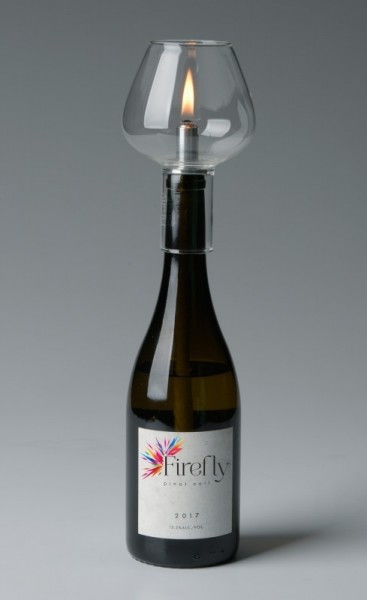
Upgrade your flame safety and indoor atmosphere today by exploring our eco-friendly fuels, handblown oil lamps, and refill accessories.