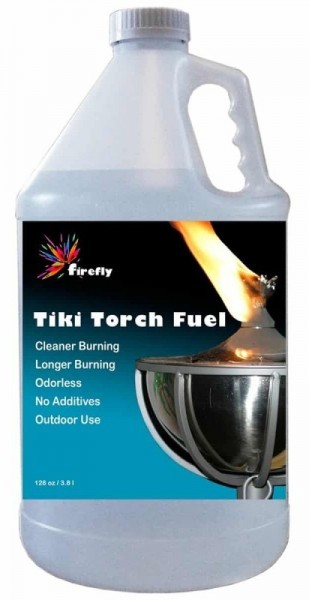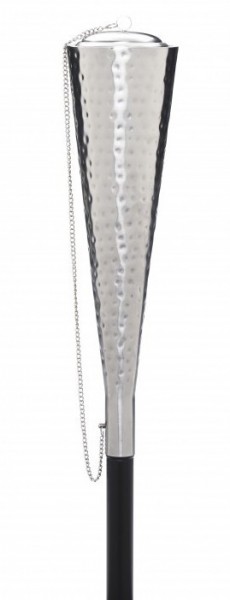

Walk into any Home Depot, Walmart, or Target this summer and you'll find a row of tiki torch fuels all promising the same thing: a glowing, bug-free backyard evening. They look similar. The bottles are nearly identical. And the cheap ones are, well, cheap.
So why does it matter which one you choose?
The short answer: everything. The fuel you pour into your torches determines how long they burn, how much smoke and soot fills the air around your guests, what chemicals you're breathing in, how quickly your torches and wicks degrade — and, in some cases, how safe your outdoor gathering really is.
Here's a straight, specific, data-backed comparison between Firefly Tiki Torch Fuel and the standard petroleum-based fuels you'll find at big-box stores — and why the difference is far bigger than most people realize.
The Fundamental Problem With Standard Big-Box Tiki Torch Fuel
The fuels sold at major retail chains — brands like TIKI Brand's standard formulas, other similar branded standard formulas, and countless other unbranded big-box generics — share one thing in common: they are petroleum-based.
That means they are refined from crude oil, the same raw material used to produce gasoline and kerosene. And while tiki torch fuel is a more refined product than kerosene, its petroleum base creates a chain of real, measurable problems that directly affect your outdoor experience:
1. Excessive Smoke and Soot — Proven by Independent Lab Testing
This isn't a marketing claim. Firefly Fuel commissioned independent laboratory testing using ASTM (American Society for Testing and Materials) standards — the same standards used by industrial and safety testing bodies — to compare its fuel against common big-box tiki torch fuels.
The results were striking:
Standard big-box tiki torch fuel produced 350% more smoke and soot than Firefly Tiki Torch Fuel under identical, controlled conditions.
In a separate comparison against Medallion Lamp Fuel, another widely available product, Medallion produced 100% more soot than Firefly's formula.
The controlled variables in these tests included exact wick heights, new uncontaminated fiberglass wicks, and a clean fuel supply — meaning the only variable was the fuel itself.
What this means in real life: At your next backyard dinner party, every puff of black smoke from a petroleum-fueled torch is coating your outdoor furniture, your torches, your tablecloths — and the lungs of your guests. That dark residue you find on torch collars after a season of use? That's soot from incomplete combustion. It's avoidable.
2. The Smell That Kills the Atmosphere
There is a reason outdoor restaurants and high-end hospitality venues don't use standard big-box tiki torch fuels: they smell.
Petroleum-based torch fuels emit a distinctive chemical odor when burning — part kerosene, part gasoline — that is immediately recognizable and widely disliked. Guests seated near torches fueled with standard petroleum products will smell that chemical burn all evening. At an outdoor dinner, it competes with food aromas. At a cocktail party, it lingers in clothing. At a backyard gathering, it becomes the thing people politely don't mention but definitely notice.
Firefly Tiki Torch Fuel uses a non-petroleum, proprietary formula that is virtually odorless. The base fuel produces no discernible standing or burning odor. Any scent you choose — citronella or eucalyptus — is the natural essential oil itself, not a petroleum-masked chemical smell.
3. Shorter Burn Times Mean Higher Long-Term Cost
Cheap fuel is expensive in disguise. Because petroleum-based torch fuels burn less efficiently than premium alternatives, they are consumed faster — meaning you go through more fuel per evening, per season, per dollar spent.
In-house burn tests conducted by Firefly show that Firefly Tiki Torch Fuel burns significantly longer than leading big-box competitors under the same conditions. While results vary based on reservoir size, wick height, and wind conditions, users consistently report that Firefly fuel outlasts standard big-box fuel by a meaningful margin per fill.
When you factor in the cost per burn hour — not just cost per bottle — premium fuel often comes out ahead.
Real-World Proof: The Standard Hotel, Miami
Here's one of the most telling endorsements of what premium fuel actually delivers in practice.
The Standard Hotel in Miami — one of South Florida's most recognized lifestyle hotels, known for its meticulous attention to guest experience and outdoor ambiance — is a documented Firefly Fuel customer.
Why does a property with that standard of quality choose Firefly over a big-box brand?
Because in a hospitality environment, the consequences of cheap fuel are immediately visible and costly:
- Soot accumulation on outdoor furniture, pool decks, and structures requires extra maintenance and cleaning labor
- Chemical odors from petroleum fuels create a negative sensory experience for guests paying premium rates for an outdoor evening
- Smoke in a dining or lounge setting drives guests away rather than creating the warm, atmospheric glow that tiki torches are supposed to deliver
When an upscale hotel makes a deliberate operational choice to use a specific fuel, it says something definitive about the product's real-world performance.
The Toxic Fumes Problem Nobody Talks About
This is where the conversation shifts from inconvenient to genuinely important.
Petroleum-based tiki torch fuels don't just produce smoke — they produce combustion byproducts that include carbon oxides and other organic compounds that irritate the eyes, nose, and throat. According to safety data sheets filed by manufacturers of standard tiki torch fuels, some products contain ingredients classified as hazardous, and their combustion can release chemicals known to cause respiratory irritation.
Poison control centers across the U.S. report a consistent spike in calls related to tiki torch fuel every spring and summer — primarily involving children who mistake the clear liquid (often transferred into unmarked containers) for a beverage like apple juice. Standard petroleum-based fuels, when aspirated (inhaled into the lungs rather than swallowed into the stomach), can cause chemical pneumonitis — a serious, potentially life-threatening inflammation of lung tissue.
Firefly Tiki Torch Fuel is formulated to be non-toxic and biodegradable. Its proprietary, non-petroleum base is specifically selected for its safer burning properties. That distinction matters most when children and pets are present at outdoor gatherings — which, at most family backyard events, they are.
Comparing the Fuels: Firefly vs. Standard Big-Box Brands
|
Performance Factor |
Standard Big-Box Fuel |
Firefly Tiki Torch Fuel |
|---|---|---|
|
Smoke & Soot |
High — petroleum combustion produces significant soot |
350% less smoke & soot (ASTM lab-tested) |
|
Odor when burning |
Strong petroleum/kerosene chemical smell |
Virtually odorless (base fuel) |
|
Burn time |
Shorter — burns through faster |
Burns significantly longer per fill |
|
Toxicity |
Petroleum-based; combustion releases harmful compounds |
Non-toxic formula |
|
Biodegradability |
Poor — petroleum-derived, slow to break down |
Readily biodegradable |
|
Wick impact |
Clogs and degrades wicks faster; promotes charring |
Burns cleaner; extends wick life |
|
Torch surface impact |
Leaves heavy soot deposits on torch collars & hardware |
Minimal residue; torches stay cleaner longer |
|
Mosquito repellency (scented) |
Compromised — petroleum smoke disperses citronella |
Effective — clean burn delivers scent properly |
|
Cost per burn hour |
Appears cheaper per bottle; more expensive per hour burned |
Higher upfront; lower cost per actual burn hour |
|
Hospitality use |
Rarely chosen by premium venues |
Used by The Standard Hotel, Miami |
The Wick and Torch Damage Problem: A Closer Look
One of the most overlooked costs of cheap fuel is what it does to your equipment over time.
Petroleum-based fuels leave behind residue and impurities that accumulate inside torch reservoirs and work their way up through wicks. Over time, this causes cotton wicks to char, crust over, and clog — losing their ability to draw fuel up through capillary action. When that happens, the flame sputters, smokes, and eventually dies.
Real-life scenario: You host four or five summer backyard dinners using a standard big-box tiki torch fuel. By mid-July, you notice your torches aren't performing the way they did in May. The flames are uneven, smoky, and difficult to keep lit. You assume the torches are getting old. In reality, the fuel has slowly contaminated the wicks and left residue in the reservoirs — damage that requires replacing the wicks and cleaning the hardware to fix.
With Firefly's clean-burning formula, the same wicks last dramatically longer. The reservoirs stay cleaner. The torches that looked beautiful when you bought them continue to look beautiful season after season.
Environmental Impact: Why the Fuel's Chemistry Matters Beyond the Backyard
In 2025, "eco-friendly" isn't just a label — it's a measurable characteristic. Here's how petroleum-based and Firefly fuels compare on environmental impact:
Standard petroleum-based fuels:
- Derived from crude oil — a finite, non-renewable resource
- Slow to break down in the environment; poor biodegradability
- In the event of a spill, contaminate soil and nearby plant life
- Carbon combustion byproducts contribute to localized air quality issues
Firefly Tiki Torch Fuel:
- Non-petroleum, proprietary formula
- Readily biodegradable — breaks down naturally and quickly in the environment
- Safer for soil and plant life in the event of spills in garden settings
- Cleaner combustion = fewer carbon byproducts released per burn hour
For outdoor entertainers who take pride in their garden and landscape — or who simply care about what they're releasing into the air around their family — this distinction is meaningful and real.
The Bottom Line: What You're Really Paying For
When you buy a cheap, petroleum-based tiki torch fuel at a big-box store, here is what that low price actually costs you:
- More smoke coating your furniture, your guests, and your lungs
- A chemical smell that undermines every dollar you spent on food, décor, and ambiance
- Faster wick and torch degradation requiring more frequent replacements
- Less burn time per fill — negating the apparent cost savings
- A petroleum product that is slow to biodegrade and harder on the environment
When you choose Firefly Tiki Torch Fuel, you are choosing:
- ✅ 350% less smoke and soot — verified by independent ASTM lab testing
- ✅ A virtually odorless burn that lets your food, conversation, and atmosphere take center stage
- ✅ A longer burn time per fill — real value over a full season
- ✅ A non-toxic, biodegradable formula that is safer for families, pets, and the planet
- ✅ The fuel trusted by premium hospitality venues like The Standard Hotel, Miami
- ✅ Available with citronella or eucalyptus — carried efficiently by a clean base that actually delivers the repellent
Your torches — your family, and your guests — deserve better than what's on the big-box shelf. The difference is not subtle. It is measurable, visible, and something you will notice from the very first burn.